
When a messaging app claims that solving short math problems can lead to rewards, the useful first move is not to decide whether the claim sounds exciting or suspicious. It is to slow the process down and check what can actually be verified. That protects three resources that are easy to lose: your time, your personal information, and your money.
This guide provides a practical review process. It does not confirm who operates any particular bot, whether a reward will be issued, or whether a withdrawal process works. Instead, it shows how to separate a claim from its evidence, record what you observe, and stop when the available facts are not strong enough to support another step. For a separate named example, this MathBot evidence review keeps the same evidence-first distinction between a public claim and a verified outcome.
Start With the Claim, Not the Conclusion
A claim such as “solve problems and earn” contains several smaller claims. There may be a claim about the operator, a claim about how tasks are valued, a claim about eligibility, a claim about fees, and a claim about withdrawal. Each one needs its own evidence. A polished interface, a growing balance on a screen, or a message from an automated account does not verify the other parts.
Write down the exact promise before interacting. Include the date, the page or message where it appeared, and any stated conditions. Avoid paraphrasing it into something stronger. “A balance appeared in the interface,” for example, is different from “funds were received.” Keeping that distinction clear prevents an on-screen number from being treated as an outcome it has not demonstrated.
You can also examine how the claimed reward model is supposed to work. Our neutral framework on evaluating how a task platform says rewards are funded helps organize that question. A plausible explanation is still only an explanation. It does not establish that a specific operator follows it, that the terms are current, or that an individual result will occur.
Build a Dated Evidence File
Digital terms can change. Record the date of every important observation and save only material you are allowed to retain. Useful items may include the public terms, privacy notice, published contact information, fee language, eligibility rules, and withdrawal conditions. Note the exact URL and the time you checked it. If a statement later changes, your record will show which version informed your decision.
Separate first-party statements from independent analysis. First-party pages can explain what an operator currently says. Independent material can highlight unanswered questions or conflicting reports, but it cannot replace direct evidence for the exact claim you are checking. For the specific search term often associated with this topic, an independent MathBot claim review can help you identify questions to investigate. It should not be treated as proof of identity, affiliation, payment, safety, or any current platform condition.
Do not rely on a screenshot without context. A screenshot can show that a screen existed at a moment in time, but it may omit the account state, date, region, prerequisites, or later outcome. The most useful evidence file pairs each screenshot with a short note: what it shows, what it does not show, and which claim it relates to.
Use a Claim-Status Table
A compact table makes uncertainty visible. Update the status only when the evidence changes; do not upgrade a claim because it has been repeated often.
| Claim area | Evidence to look for | Safe status |
|---|---|---|
| Operator identity | Current legal name, contact channel, and terms that identify the responsible party | Confirmed, conflicting, or not established |
| Data handling | A current privacy notice covering collection, retention, sharing, and deletion | Documented, incomplete, or not found |
| Cost | Current terms for fees, purchases, verification steps, and refunds | Stated, unclear, or changed |
| Task credit | Rules connecting a completed task to an account credit | Observed in interface, disputed, or not tested |
| Withdrawal | Dated conditions, thresholds, identity requirements, and a completed result for the exact process | Independently documented, pending, or not established |
The wording matters. “Observed in interface” is intentionally narrower than “received.” “Not found” means your review did not locate the item; it does not prove the item cannot exist. These labels make the file useful without turning missing information into an accusation.
Check Privacy Before You Share Data
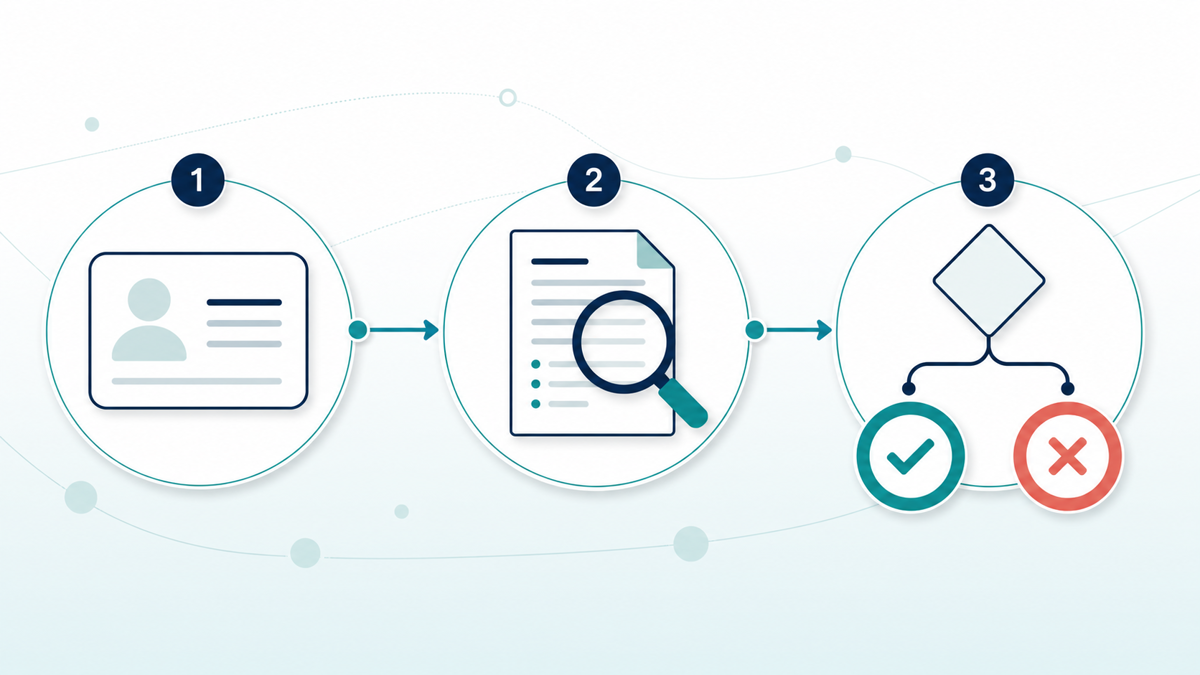
Review permissions before connecting an account or answering personal questions. Ask what information is required, why it is needed, how long it is kept, whether it is shared, and how deletion can be requested. A math task does not by itself explain a request for contacts, identity documents, payment credentials, location history, or broad device access.
Use the least information necessary for an initial review. Do not reuse an important password. Do not provide a banking password, one-time security code, recovery phrase, or remote access to a device. If identity verification is requested, stop and check who receives the document, which published policy governs it, and whether the requirement was disclosed before you invested time.
Look for contradictions between the permission prompt and the privacy notice. If the interface requests information the notice does not explain, record the mismatch and pause. The correct next step is clarification from a documented support channel, not a guess.
Set a Money Boundary Before a Fee Appears
Do not pay merely because a screen displays a balance or because you have already spent time on tasks. A request labeled as processing, activation, verification, tax, upgrade, or release still needs the same scrutiny as any other payment request. Check whether it was disclosed in the dated terms, who receives it, what the refund rules say, and whether the request is consistent with the rest of the process.
Never send money to “unlock” a value that exists only inside an unverified interface. If a new fee appears late in the process, treat that as new information requiring a fresh decision. The hours already spent are not a reason to take a larger risk.
Measure Time Without Assigning Value to an Unverified Balance
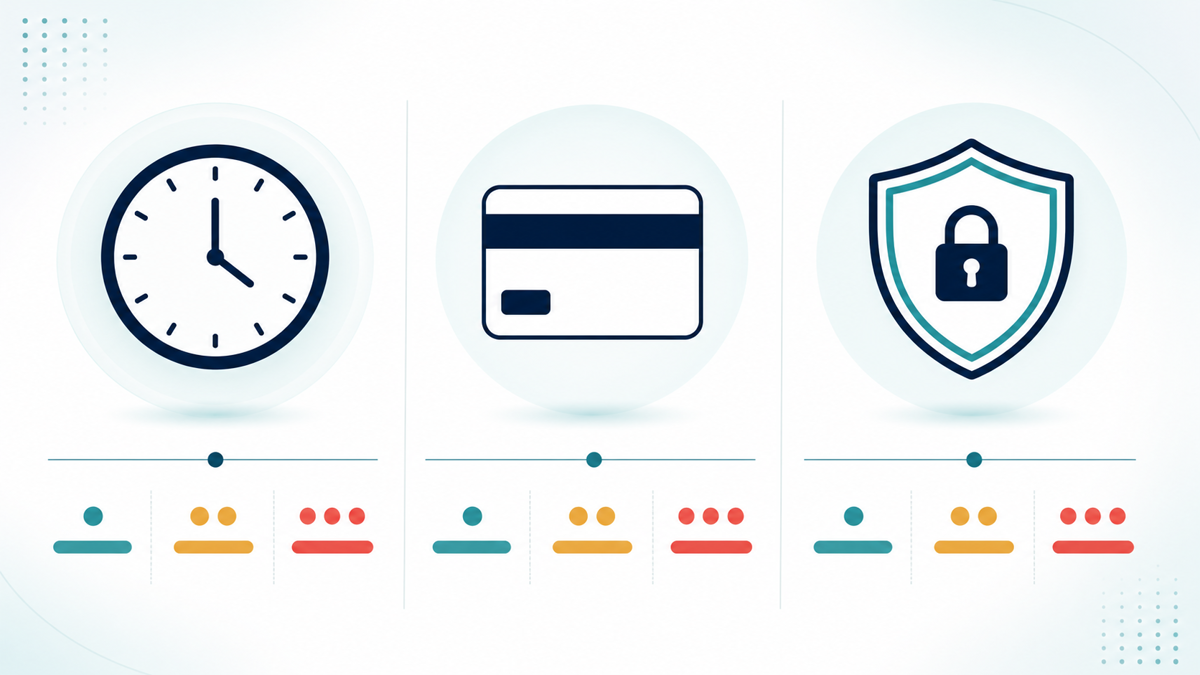
Track registration, task time, troubleshooting, support messages, advertisements, waiting, and withdrawal attempts. Your total is broader than the minutes spent answering equations. Our worksheet for tracking the effective hourly rate of a side-income activity can organize those inputs without assuming that an on-screen amount has cash value.
Until an outcome is independently established for the exact process, keep the claimed reward in a separate “unverified” column. Do not use it in household budgeting, compare it with a wage, or increase your commitment because the interface says you are close to a threshold. A time limit is more protective than an open-ended test. Decide in advance how many minutes you will spend gathering evidence and stop when that limit is reached.
Follow a Step-by-Step Verification Checklist
- Capture the exact claim. Record its wording, source, date, stated eligibility, and any visible conditions.
- Identify the responsible party. Look for a current legal name, contact method, governing terms, and the entity named in the privacy notice.
- Map the requested data. List each permission or personal field and the published reason for collecting it.
- Read the current cost terms. Check for purchases, subscriptions, verification charges, withdrawal charges, and refund conditions.
- Read the withdrawal conditions. Note thresholds, region limits, identity checks, expiration rules, and what constitutes completion.
- Distinguish display from delivery. Treat points, credits, and balances as interface states until a separate outcome is documented.
- Check independent material carefully. Prefer dated analysis without referral pressure, but use it to form questions rather than to outsource your decision.
- Calculate your exposure. Add time, data, purchases, and the sensitivity of any information requested.
- Set stop conditions. Define the requests, contradictions, or time limit that will end the review.
- Recheck before every new step. A changed fee, permission, threshold, or identity requirement creates a new decision.
Stop When the Evidence No Longer Supports the Risk
Pause immediately if a request expands beyond the evidence you have. Examples include a demand for a security code, banking credential, recovery phrase, payment to release a displayed balance, remote device access, or a new identity document that was not disclosed earlier. Also stop when important terms disappear, support cannot answer a basic account question, or the withdrawal conditions change after progress has accumulated.
A referral requirement deserves separate attention. If advancement depends on recruiting other people, do not pass an unverified claim to friends or family. First establish what the invitation says, what data the new person must share, and what happens if the promised condition is not met. Your evidence standard should become stricter, not looser, when another person could be affected.
Stopping is not a verdict about an entire platform. It is a decision that the available evidence does not justify the next requested action. That narrow conclusion is both more accurate and more useful.
Make the Final Decision From Your Records
At the end of the review, summarize each claim as established, conflicting, incomplete, or not established. List the strongest evidence and the largest remaining uncertainty. Then compare the unresolved questions with the amount of time, money, and data the next step would require.
If the next step asks for more than the evidence supports, do not proceed. If you choose to continue gathering public information, keep the review read-only until the uncertainty is resolved. A disciplined process does not need a dramatic conclusion. It needs a clear record of what was checked and a boundary that protects you when the answer remains uncertain.
Recheck the Decision When Conditions Change
A review is valid only for the conditions you examined. A new permission request, different account, revised threshold, changed fee, altered privacy notice, or new contact identity can make an earlier decision obsolete. Compare the new screen with your dated record instead of assuming the change is minor. Record what changed, which claim it affects, and whether the evidence still supports the next step.
Do the same before repeating a process that appeared to work once. One observation does not establish a general rule for every user, region, date, or account state. Keep the conclusion narrow: describe exactly what was observed and avoid turning it into a promise. This protects other readers from relying on a result that may not apply to them.
If a public term cannot be found again, mark it as unavailable rather than reconstructing it from memory. If two current sources conflict, keep the status as conflicting until the responsible party provides a clear, dated answer. The goal is not to force every row in the table into “confirmed.” The goal is to make sure uncertainty remains visible before it can influence a decision involving time, money, or personal data.
Frequently Asked Questions
Does an on-screen balance prove that money was received?
No. It proves only that the interface displayed a value at that time. Record it as an interface state until the exact withdrawal outcome is independently established.
What should I check before sharing an identity document?
Identify the responsible entity, read the current privacy and retention terms, confirm why the document is required, and determine how deletion or correction works. If those points are unclear, stop before uploading it.
How should I handle a new fee that appears later?
Treat it as a new decision. Check whether it was disclosed in the dated terms, who receives it, and what the refund conditions are. Do not pay because of time already spent or a value shown only inside the interface.
Can an independent review confirm every current platform condition?
No. An independent review can identify questions and evidence gaps, but current fees, ownership, eligibility, privacy terms, and withdrawal conditions must be checked against dated evidence for the exact process.
When should I end the review?
End it when a preset time limit is reached, when key evidence remains unavailable, or when the next step requests money, sensitive data, device access, or referrals beyond the level supported by your records.

0 Comments